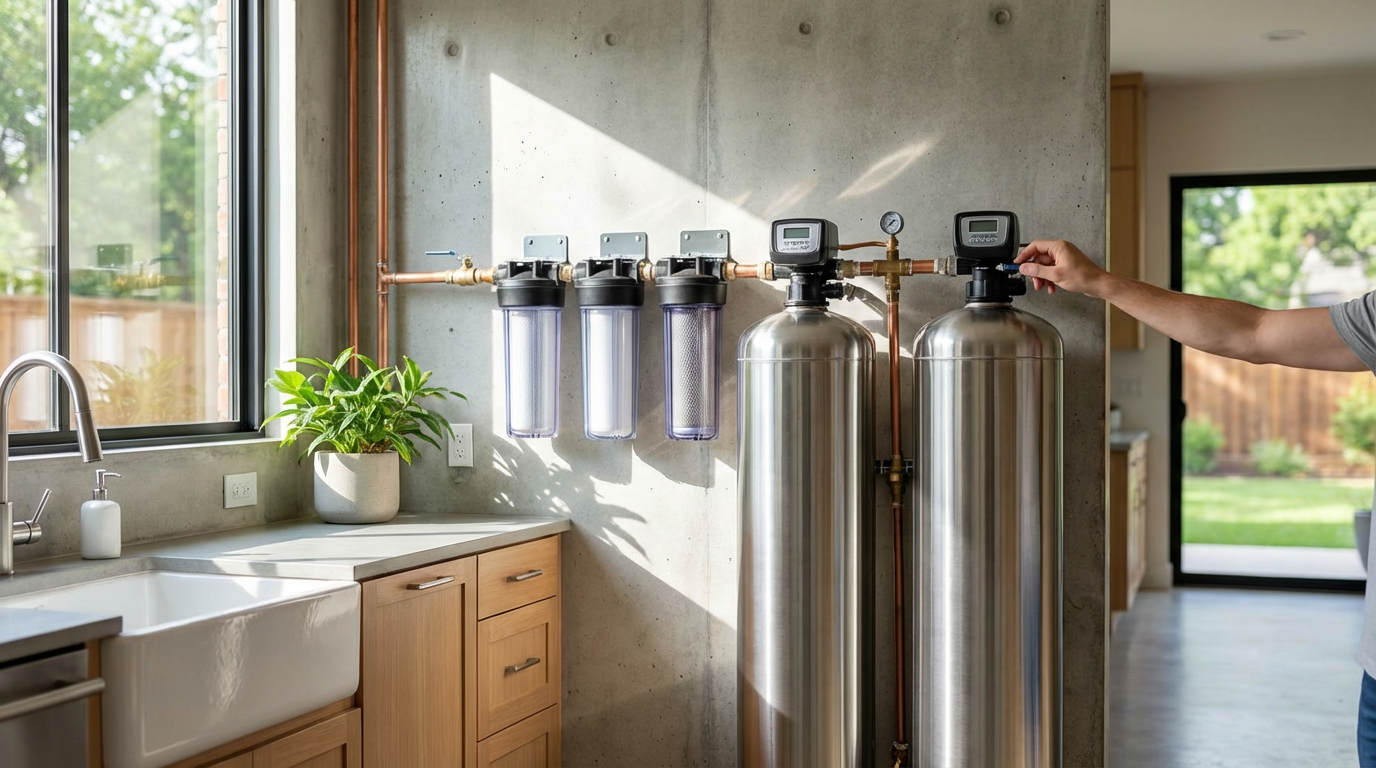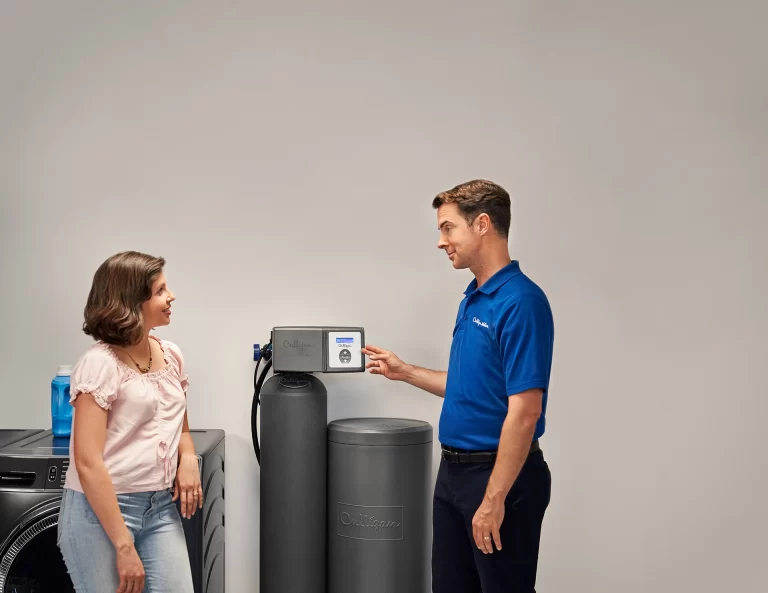
For months, my neighbor Carol brought up her water softener basically every time we talked over the fence. New system, no more soap scum, her plants apparently loved it too — I nodded along politely for a while before finally asking, okay, what exactly did you get? Turns out she’d gone with a system from a brand that’s been around the water treatment world for decades, and after doing my own digging, I get why she wouldn’t shut up about it.
I’m talking about Kinetico Water Softeners, if you haven’t come across the name before. They’ve built a reputation over the years for a slightly different approach than most softeners on the market — namely, a lot of their systems run without electricity, using water pressure itself to power the regeneration process instead of a timer or electronic control. Carol mentioned this a few times, mostly because she liked not worrying about it during power outages, which, fair, that’s a pretty practical perk if you live somewhere storms knock the power out even semi-regularly.
The Twin-Tank Thing Actually Makes Sense Once You Get It
What stood out to me most, honestly, was the twin-tank design a lot of their systems use. Traditional softeners usually have a single tank that goes offline briefly during regeneration, meaning you might get a burst of hard water at an inconvenient moment — like, say, right when you’re in the shower. Twin-tank setups avoid that by having a second tank kick in while the first one regenerates, so there’s basically no gap in soft water availability. It’s a small thing, but if you’ve ever been mid-shower when your old softener decided to regenerate, you know it’s not actually that small.
Carol swears by hers, though I’ll admit some of her enthusiasm probably comes from just being done with the constant maintenance her old unit needed. She’s not wrong to be relieved, though — hard water problems, once solved, genuinely do fade into the background of your life in a way you don’t fully appreciate until it happens.
But Softening Wasn’t the Whole Conversation
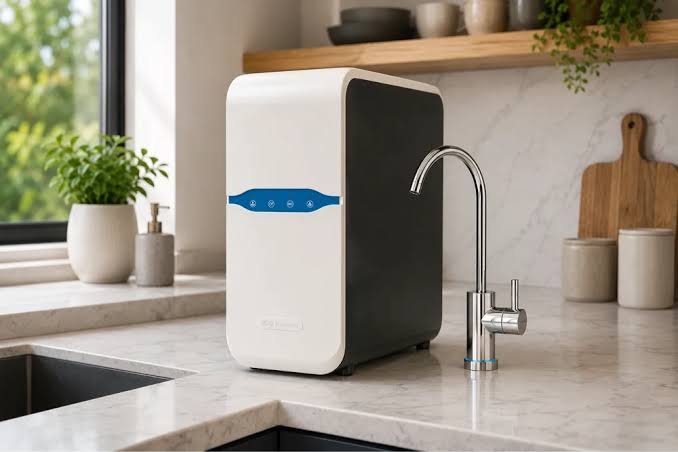
What actually got me looking deeper into the brand wasn’t the softener at all, if I’m honest — it was Carol mentioning her drinking water separately, almost as an afterthought. She’d also installed a reverse osmosis setup under her kitchen sink, and when I tried a glass at her place, I noticed the difference almost immediately. Crisper, somehow, though I know that sounds like a weird way to describe water.
That’s when she told me about Kinetico Reverse Osmosis Systems, which apparently work alongside their softeners as a kind of package deal for people who want both hardness and drinking water quality handled properly. Reverse osmosis, if you’re not familiar, pushes water through a membrane fine enough to filter out things standard filters can’t touch — lead, certain dissolved solids, various contaminants that don’t belong in your glass. Carol’s reasoning was pretty simple: if she was already investing in better water for her whole house, why not handle the water she’s actually drinking too.
What I Actually Took Away From All This
Look, I’m not going to pretend one conversation over a backyard fence makes me an expert, and every situation’s different depending on your water source, your budget, your house’s specific quirks. But it did get me thinking seriously about what I wanted out of my own setup, instead of just tolerating whatever came out of the tap because dealing with it felt like a hassle.
At the end of the day, what most of us actually want is pretty simple — clean water that doesn’t wreck our appliances, dry out our skin, or taste like it’s been sitting in a rusty pipe for a decade. Whether that means a softener, a filtration setup, reverse osmosis, or some combination depends on what’s actually going on with your specific water, which, yeah, means testing first before buying anything.
I haven’t pulled the trigger on a system yet myself, still comparing options and figuring out what actually fits my house and my water’s specific issues. But Carol’s not wrong to be as happy as she is with hers. Sometimes the neighbor who won’t stop talking about her water softener turns out to have a point worth listening to, even if it takes you a few months of polite nodding to actually look into it yourself.