Water plays a bigger role in daily life than most people realize. We use it to cook, clean, wash clothes, shower, and keep our homes running smoothly. In a business, water quality can influence equipment performance, customer satisfaction, and even the consistency of products. So, when something seems wrong with the water supply, finding a dependable solution matters. The challenge is knowing where to begin, especially when the problem isn’t obvious.
A strange taste, cloudy appearance, mineral deposits around faucets, or stubborn stains in the bathroom can all raise questions. Sometimes the issue is relatively simple, while other situations require a closer look at the water itself. Having access to professional guidance makes the process less stressful and helps property owners make decisions based on facts rather than guesswork.
Start by Understanding What’s in Your Water
It’s easy to assume that clear water is clean water. Unfortunately, appearance alone doesn’t tell the whole story. Water may contain dissolved minerals, excess iron, sediment, or other substances that affect its taste, smell, or suitability for certain uses. Some concerns aren’t noticeable without testing, which is why a little investigation can be worthwhile.
A free water analysis gives homeowners and business operators an opportunity to learn more about their water before committing to a treatment system. Depending on the provider and the testing method, an assessment may help identify hardness, iron, pH levels, or other relevant characteristics. The exact tests offered can vary, so it’s sensible to ask what’s included and whether additional laboratory testing might be necessary.
The results can help narrow down the available options. For example, hard water may contribute to scale buildup in pipes and appliances, while iron can leave reddish or brown stains on sinks, tubs, and laundry. A water treatment professional can explain which findings matter, what they might mean for the property, and whether a treatment system is likely to help.
Why Prompt Estimates Make Planning Easier
Once a potential water issue has been identified, most people want to know two things: what needs to happen next, and how much it might cost. That’s perfectly reasonable. Few homeowners want to spend days waiting for a response, particularly when a water problem is affecting their normal routine.
Providers that offer free same or next-day estimates can make the early stages of the process much easier. A timely estimate gives customers a starting point for comparing options, setting a budget, and deciding whether to move forward. It can also help prevent a small concern from lingering simply because arranging an appointment feels inconvenient.
Of course, an estimate is only useful when the details are clear. Ask whether the quoted amount includes equipment, installation, necessary fittings, and any initial setup. If the technician hasn’t inspected the property or reviewed the water test results, the figure may be preliminary rather than final. That’s not necessarily a problem, provided the limitations are explained honestly.
It’s also worth asking about equipment maintenance and replacement parts. A system with a lower purchase price may have different long-term costs from one with more affordable filters or simpler servicing. Looking at the full picture often leads to a better decision than choosing based on the first number you see.
Choosing a Treatment System That Fits Your Property
Water treatment isn’t a one-size-fits-all service. The right solution depends on the source of the water, the problem being addressed, the property’s daily usage, and the expectations of the people using it.
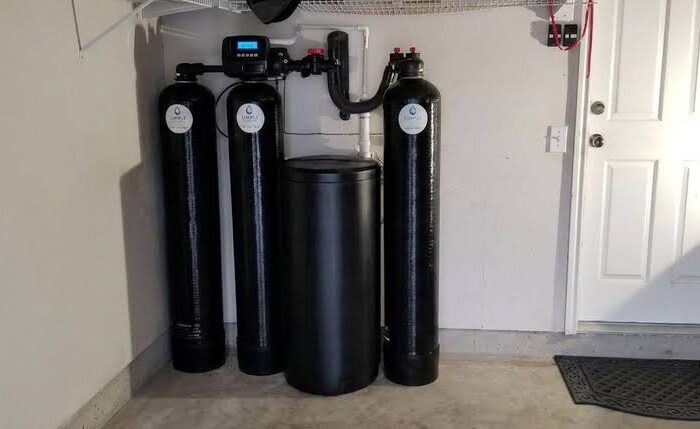
A household dealing with hard water may benefit from a water softener, while a family concerned about drinking water taste might explore a suitable filtration system. Some properties need sediment filtration, iron removal, or a combination of treatment technologies. Reverse osmosis may be appropriate for certain drinking-water applications, but it isn’t automatically the best choice for every home.
Commercial properties can have more complicated requirements. Restaurants, workshops, hotels, and manufacturing facilities may rely on water for different purposes, each with its own quality standards. Equipment capacity, water demand, and maintenance schedules become particularly important in these settings.
Before purchasing anything, ask the provider to explain why a particular system is recommended. A reliable professional should connect the recommendation to the test results and the property’s needs. They should also discuss what the equipment can and cannot remove, how often consumables need replacing, and whether the system requires regular inspections.
Clear explanations are a good sign. If a salesperson makes sweeping promises without explaining the technology or the evidence behind the recommendation, consider getting another opinion.
Emergency Support Can Make a Difficult Day Easier
Some water problems can’t wait for a convenient appointment. A leaking treatment unit, sudden equipment failure, or unexpected loss of water pressure can interrupt daily activities and potentially cause property damage. In a commercial setting, an interruption may also affect staff, customers, or business operations.
Access to a 24/7 emergency hotline can provide a useful point of contact when an urgent issue develops outside normal business hours. Customers can explain what’s happening, receive initial guidance, and find out whether an emergency technician is available. However, hotline availability doesn’t always mean immediate on-site service, so it’s important to confirm response times and the areas covered.
If a leak occurs, safety should come first. Follow the equipment manufacturer’s instructions if it’s safe to do so, and shut off the appropriate water supply when you can identify the correct valve. Keep water away from electrical outlets and appliances. If flooding is severe or there is an electrical hazard, avoid the affected area and contact the appropriate emergency service.
Don’t attempt complicated repairs simply because help hasn’t arrived yet. Water treatment equipment can contain pressurized components, electrical connections, or specialized valves. A quick phone call may help determine whether a simple step is appropriate or whether the system should remain shut down until a technician can inspect it.
Maintenance Is Often Better Than Waiting for a Breakdown
After installation, it’s tempting to forget about a water treatment system and assume it will continue working indefinitely. In reality, most systems need some attention. Filters become clogged, softener salt may need replenishing, and certain components eventually wear out.
The maintenance schedule depends on the equipment and the quality of the incoming water. Following the manufacturer’s recommendations helps keep the system working as intended. It’s also useful to pay attention to changes in water pressure, taste, smell, or the appearance of mineral deposits. These signs don’t always indicate equipment failure, but they can be a reason to investigate.
Keeping service records makes future maintenance simpler, too. Save installation details, filter replacement dates, water test results, and any repair invoices. That information helps a technician understand the system’s history and may make troubleshooting faster.
A Better Experience Begins With Good Communication
Water treatment should feel like a practical investment, not a confusing purchase filled with technical terms and uncertain costs. Customers deserve straightforward answers, realistic expectations, and support that continues after installation.
Look for a provider willing to explain the findings, outline suitable options, and discuss both upfront and ongoing expenses. Ask about warranties, service coverage, emergency response, and the process for arranging future maintenance. These questions may seem small at first, but they can make a noticeable difference over the life of a system.
In the end, better water starts with understanding the problem and choosing a solution that genuinely fits. Testing helps establish the facts, a clear estimate makes planning easier, and dependable service provides reassurance when something goes wrong. With the right information and a reliable professional, taking care of your property’s water can become a manageable part of maintaining a comfortable, healthy, and well-functioning space.