Start by Understanding What Is Really Going Wrong
Most problems don’t arrive with a clear explanation attached. Sometimes the signs are obvious, like a machine that suddenly stops working or a service that fails to meet expectations. Other times, the warning signs are subtle. A small inconvenience keeps returning, costs gradually increase, or something that once worked perfectly begins to feel unreliable. Whatever the situation, solving the problem starts with paying attention.
It can be tempting to jump straight into fixing things. We all want quick answers, especially when a problem interrupts our daily routine or affects our budget. But rushing into a decision without understanding the cause may create more trouble than it solves. Taking a little time to identify the problem helps separate the actual issue from its visible symptoms.
Consider a household dealing with unusually high water bills. The first assumption might be that water consumption has increased. Yet the real cause could be a leaking pipe, an inefficient fixture, or an irrigation system running longer than necessary. Each possibility calls for a different response. Looking at the facts before spending money makes the next step far more sensible.
Look Beyond the Most Obvious Symptoms
A useful first step is to gather information. Write down what has changed, when the issue started, and how frequently it occurs. If the problem involves equipment, note unusual sounds, changes in performance, warning indicators, or maintenance history. For a service-related concern, keep records of delays, costs, communication, and previous attempts to resolve it.
These details may seem minor, but patterns often reveal what a quick glance misses. A problem that occurs only during peak usage, for instance, may have a different explanation from one that happens throughout the day. Likewise, a system that performs well after maintenance but deteriorates within weeks might need more than another temporary adjustment.
It also helps to distinguish facts from assumptions. A cloudy glass of water, for example, doesn’t automatically mean the water is unsafe. Air bubbles, dissolved minerals, sediment, and other factors can affect appearance. Appropriate testing provides better information than guesswork alone.
When an issue involves safety, health, electrical systems, plumbing infrastructure, or specialized equipment, professional assessment may be necessary. Knowing when to seek expert help is part of solving a problem responsibly, not a sign that you have failed to handle it yourself.
Explore the Options Before Choosing a Solution
Once the underlying issue becomes clearer, the next challenge is deciding what to do about it. There may be several possible approaches, and the cheapest one isn’t always the most economical over time.
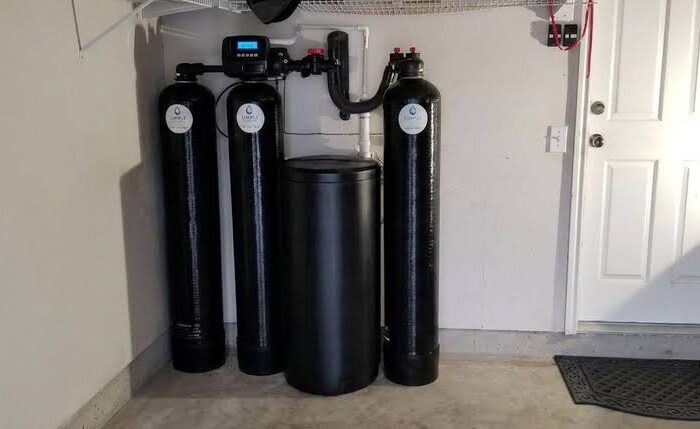
A practical way to explore treatment options is to compare the available solutions according to their purpose, effectiveness, cost, maintenance requirements, and suitability for the situation. For example, someone experiencing hard water may consider a water softener, while a household concerned about a particular drinking-water contaminant may need a different treatment method. These systems serve different purposes, so choosing between them should depend on water testing and the problem that needs to be addressed.
The same principle applies in other settings. Repairing a piece of equipment might be appropriate if the damage is limited and replacement parts are readily available. However, if the equipment repeatedly breaks down, consumes excessive energy, or no longer meets current needs, replacing it could offer better long-term value.
Don’t overlook smaller improvements, either. Sometimes a careful adjustment, routine maintenance, or replacement of a worn component can resolve the issue without requiring a major investment. In other cases, a more comprehensive solution makes sense because it addresses several connected problems at once.
The important thing is to understand what each option can realistically achieve. Be cautious of claims that promise instant results or suggest one product can solve every possible issue. Good solutions have clear purposes and limitations.
Compare Costs, Quality, and Long-Term Value
Price matters, but it should never be the only factor in a decision. A low-cost product might appear attractive initially, yet frequent repairs, expensive replacement components, or poor performance can make it costly over time. On the other hand, the most expensive option isn’t automatically the best.
Look at the complete picture. Consider the initial purchase or installation cost, expected operating expenses, maintenance schedules, warranties, availability of replacement parts, and the likely service life of the solution. If professional installation is required, include that expense in the comparison rather than treating it as an afterthought.
Quality also deserves careful attention. Check product specifications, compatibility requirements, safety certifications where relevant, and the reputation of the supplier or service provider. Ask direct questions about anything you don’t understand. A reliable professional should be willing to explain the proposed work, the reasons behind it, and any important limitations.
Reviews can provide useful context, although they shouldn’t replace technical information. One customer’s experience may not reflect how a product will perform in a different home, climate, business, or operating environment. Focus on evidence that relates to your particular needs.
Make the Decision With Confidence
After gathering information and comparing alternatives, it’s time to make a choice. The goal isn’t to find a mythical perfect solution. It’s to select an approach that addresses the real concern, fits the available budget, and makes sense for the circumstances.
Taking time to choose with confidence means being comfortable with the reasoning behind your decision. You should understand what the solution is expected to improve, what it will cost, and what ongoing responsibilities it involves. If something remains unclear, ask for clarification before agreeing to a purchase, repair, or installation.
It can help to establish a few simple priorities. Safety may come first, followed by reliability, affordability, ease of maintenance, or environmental impact. Different people will rank these factors differently, and that’s perfectly reasonable. A busy family may value convenience, while a small business may place greater emphasis on reducing downtime and operating costs.
Avoid making decisions under unnecessary pressure. Genuine emergencies sometimes require immediate action, but many everyday problems allow time for a second opinion or another estimate. A short pause can prevent an expensive mistake.
Check Whether the Solution Actually Works
The process doesn’t end when a product is installed or a repair is completed. Follow-up matters because even a well-chosen solution needs to be evaluated under real conditions.
Before work begins, identify what improvement should look like. That might mean fewer breakdowns, more consistent water quality, lower energy use, reduced operating costs, or better overall performance. Where possible, record the starting point so you have something meaningful to compare against later.
After the solution has been implemented, monitor the results. Follow the manufacturer’s maintenance instructions, arrange recommended inspections, and keep records of any recurring concerns. If the problem continues, don’t simply repeat the same response indefinitely. Revisit the original diagnosis and consider whether an overlooked factor is affecting the outcome.
This approach also encourages better decisions in the future. Every experience provides information about what works, what doesn’t, and which questions are worth asking earlier next time.
A Thoughtful Approach Leads to Better Results
Problems are an ordinary part of maintaining a home, managing a business, or choosing products and services. What makes the difference is how we respond to them. Quick fixes can be useful, but lasting improvements usually begin with careful observation, reliable information, and a willingness to compare alternatives.
Take the time to understand the cause, investigate practical solutions, and weigh the long-term consequences. Ask questions when the details aren’t clear, and bring in qualified professionals when the situation calls for specialist knowledge.
A thoughtful decision may take a little longer at the beginning, but it can save money, reduce frustration, and prevent the same problem from returning. In the end, good decisions aren’t about having every answer immediately. They’re about asking the right questions and taking the next sensible step.