Key PointsA gutter setup that works for one house may not be right for another. Some homes have a simple roof with one or two long sections, while others have several angles, valleys, and lower rooflines that change where rainwater runs. Older homes can bring a different set of problems when the existing gutters are already loose, leaking, or worn out. When you are looking at gutter companies in Solon, IA, the first thing to look for is how they approach your particular home. The roof, existing gutters, and path of the rainwater all need to be checked. What Makes One Gutter Job Different from Another? The roof gives you a good starting point for working out what the gutter system needs. A straightforward roofline may not need as many sections or connections. A roof with several levels or valleys needs more planning because water can come down in different places. Homes with Simple Rooflines A home with a simple roof may have fewer corners and fewer places where water changes direction. That can make the gutter layout fairly straightforward. The installer still needs to get the slope right and work out where the downspouts should go. Hanger type and spacing also matter here. It is because gutters fastened with hidden hangers set too far apart can sag over time, even on a simple run. Once the water reaches the gutter, the downspouts need to direct it to a suitable area away from the house. Homes with Several Roof Angles A roof with multiple sections, valleys, or varying heights needs a little more planning. Rainwater can gather from more than one direction and reach certain parts of the gutter in larger amounts. A valley can send a concentrated volume of water toward one area. A valley diverter or an oversized downspout at that point can prevent the gutter below from overflowing or backing up. A gutter apron fitted where the roof deck meets the fascia also helps direct that water cleanly into the gutter rather than behind it. Older Homes with Existing Gutters With an older home, the question may not be as simple as whether the gutters need replacing. There may be loose sections, leaking seams, sagging gutters, or damaged areas around the attachment points. Where leaking seams are the main fault, seamless gutters, formed on-site from a continuous roll of material, can remove most of those joints entirely, which is often a more durable fix than resealing sectional gutter runs. An inspection can show whether the problem is limited to a few sections or affects most of the system. What Should Be Checked Around the House? The roof gets most of the attention, but there are other things around the house that can affect the gutter layout. An installer may also check a few other parts of the property: The roof to see where rainwater comes off and which sections receive the most runoff. Existing gutters for sagging, leaks, loose fasteners, or other visible damage. Downspouts to see where water currently leaves the gutter system. Fascia boards where the gutters will be attached. Walkways, landscaping, and other areas that could affect where water is discharged. Windows, doors, and other features that may limit where gutters or downspouts can go. Checking these areas before installation can prevent problems with the finished layout. Does the Gutter Material Matter? The material, color, and style can change the look of the finished gutter system. Some homeowners want the gutters to blend with the trim, while others prefer a closer match to the siding or roof. The exterior of the home can also influence which color and style look right. A lighter gutter color can look quite different against dark siding than it does against a lighter exterior. Looking at samples next to the house can give you a better idea than choosing from a picture. Is It a Repair or a New Gutter Installation? A leaking joint or loose section does not automatically mean you need an entirely new system. A repair may be enough when the rest of the gutters are in decent condition. If leaks keep coming back, several sections are damaged, or the gutters are pulling away from the house, replacement is usually worth pursuing. As a rough guide, if more than a third of the gutter run is affected, patching the remaining sections rarely holds up for long, and a full replacement tends to be the more cost-effective route. Conclusion Different homes in Solon, IA, can need very different gutter layouts. Roof shape, existing gutter condition, downspout locations, fascia, and the space around the house all have a part in the final setup. Not sure what your gutters need? Have the existing system checked in Solon, IA, and find out whether a repair or replacement is the better route for your home.
A gutter setup that works for one house may not be right for another. Some homes have a simple roof with one or two long sections, while others have several angles, valleys, and lower rooflines that change where rainwater runs. Older homes can bring a different set of problems when the existing gutters are already loose, leaking, or worn out.
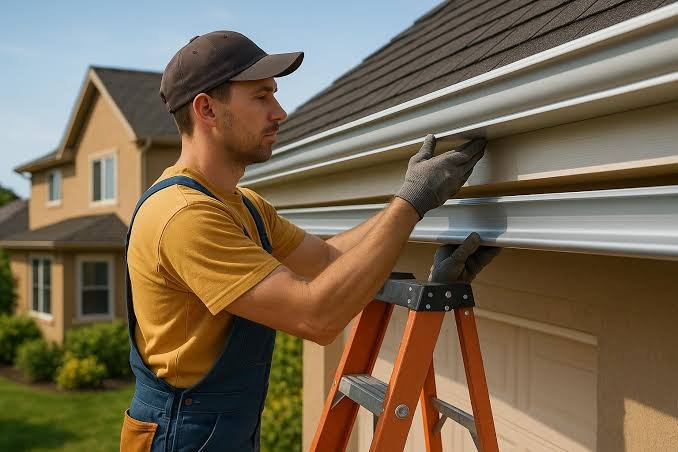
When you are looking at gutter companies in Solon, IA, the first thing to look for is how they approach your particular home. The roof, existing gutters, and path of the rainwater all need to be checked.
What Makes One Gutter Job Different from Another?
The roof gives you a good starting point for working out what the gutter system needs. A straightforward roofline may not need as many sections or connections. A roof with several levels or valleys needs more planning because water can come down in different places.
Homes with Simple Rooflines
A home with a simple roof may have fewer corners and fewer places where water changes direction. That can make the gutter layout fairly straightforward.
The installer still needs to get the slope right and work out where the downspouts should go. Hanger type and spacing also matter here. It is because gutters fastened with hidden hangers set too far apart can sag over time, even on a simple run. Once the water reaches the gutter, the downspouts need to direct it to a suitable area away from the house.
Homes with Several Roof Angles
A roof with multiple sections, valleys, or varying heights needs a little more planning. Rainwater can gather from more than one direction and reach certain parts of the gutter in larger amounts.
A valley can send a concentrated volume of water toward one area. A valley diverter or an oversized downspout at that point can prevent the gutter below from overflowing or backing up. A gutter apron fitted where the roof deck meets the fascia also helps direct that water cleanly into the gutter rather than behind it.
Older Homes with Existing Gutters
With an older home, the question may not be as simple as whether the gutters need replacing. There may be loose sections, leaking seams, sagging gutters, or damaged areas around the attachment points. Where leaking seams are the main fault, seamless gutters, formed on-site from a continuous roll of material, can remove most of those joints entirely, which is often a more durable fix than resealing sectional gutter runs. An inspection can show whether the problem is limited to a few sections or affects most of the system.
What Should Be Checked Around the House?
The roof gets most of the attention, but there are other things around the house that can affect the gutter layout. An installer may also check a few other parts of the property:
- The roof to see where rainwater comes off and which sections receive the most runoff.
- Existing gutters for sagging, leaks, loose fasteners, or other visible damage.
- Downspouts to see where water currently leaves the gutter system.
- Fascia boards where the gutters will be attached.
- Walkways, landscaping, and other areas that could affect where water is discharged.
- Windows, doors, and other features that may limit where gutters or downspouts can go.
Checking these areas before installation can prevent problems with the finished layout.
Does the Gutter Material Matter?
The material, color, and style can change the look of the finished gutter system. Some homeowners want the gutters to blend with the trim, while others prefer a closer match to the siding or roof.
The exterior of the home can also influence which color and style look right. A lighter gutter color can look quite different against dark siding than it does against a lighter exterior. Looking at samples next to the house can give you a better idea than choosing from a picture.
Is It a Repair or a New Gutter Installation?
A leaking joint or loose section does not automatically mean you need an entirely new system. A repair may be enough when the rest of the gutters are in decent condition.
If leaks keep coming back, several sections are damaged, or the gutters are pulling away from the house, replacement is usually worth pursuing. As a rough guide, if more than a third of the gutter run is affected, patching the remaining sections rarely holds up for long, and a full replacement tends to be the more cost-effective route.
Conclusion
Different homes in Solon, IA, can need very different gutter layouts. Roof shape, existing gutter condition, downspout locations, fascia, and the space around the house all have a part in the final setup.
Not sure what your gutters need? Have the existing system checked in Solon, IA, and find out whether a repair or replacement is the better route for your home.