Water is one of those things we rarely think about until something goes wrong. Maybe the shower pressure changes, your coffee starts tasting different, or your favorite glass comes out of the sink with cloudy spots that just won’t disappear. It’s easy to blame the appliance or assume it’s simply part of getting older, but often the real story begins with the water flowing through your home.
The quality of your household water quietly affects nearly everything. From the way your laundry feels to how efficiently your appliances operate, good water can make everyday life smoother without demanding much attention. It isn’t a flashy home upgrade, but it’s one that pays off in countless little ways.
The Hidden Journey Water Takes
Before water reaches your kitchen sink or bathroom faucet, it has already traveled a long way. Municipal treatment plants work hard to make water safe, yet it still passes through aging pipes and household plumbing before arriving at your tap.
Along the way, minerals like calcium and magnesium may remain, especially in areas with naturally hard water. While these minerals aren’t usually harmful to drink, they can gradually leave behind scale that builds up where water flows every day.
Most homeowners never notice this process because it happens slowly. Then one day, an appliance isn’t working quite as well as it used to.
Hard Water Can Quietly Increase Household Costs
Hard water has a way of making ordinary chores feel more difficult. Soap doesn’t rinse as easily. Shampoo seems less effective. White spots appear on faucets and glassware, and cleaning products suddenly work overtime.
More importantly, mineral deposits slowly settle inside pipes and appliances. This buildup forces equipment to work harder than necessary, using more energy while delivering less efficient performance.
The frustrating part is that many people replace expensive appliances without ever addressing the water that caused the extra wear in the first place.
Your Water Heater Works Harder Than You Realize
Few appliances work as consistently as the water heater. Whether you’re taking morning showers, washing dishes after dinner, or doing laundry on the weekend, it’s always in use behind the scenes.
When minerals collect inside the tank or heating elements, the system has to use more energy to warm the same amount of water. Over time, efficiency drops, utility bills may rise, and the appliance experiences unnecessary stress.
Regular maintenance certainly helps, but improving water quality often reduces future mineral buildup, allowing the unit to perform more efficiently for years instead of struggling month after month.
Laundry Depends on More Than Good Detergent
Most of us blame detergent when clothes don’t feel quite right.
In reality, water plays an equally important role. Hard water can reduce the effectiveness of soaps and detergents, making fabrics feel stiff while leaving residue behind after washing.
Your washing machine also experiences constant exposure to mineral-rich water. Tiny deposits can accumulate inside hoses, pumps, and internal components over time. These gradual changes may not cause immediate problems, but they often contribute to repairs or reduced performance later.
Cleaner water helps detergents dissolve more effectively, allowing clothes to rinse thoroughly while placing less strain on the appliance itself.
Sparkling Dishes Start With Better Water
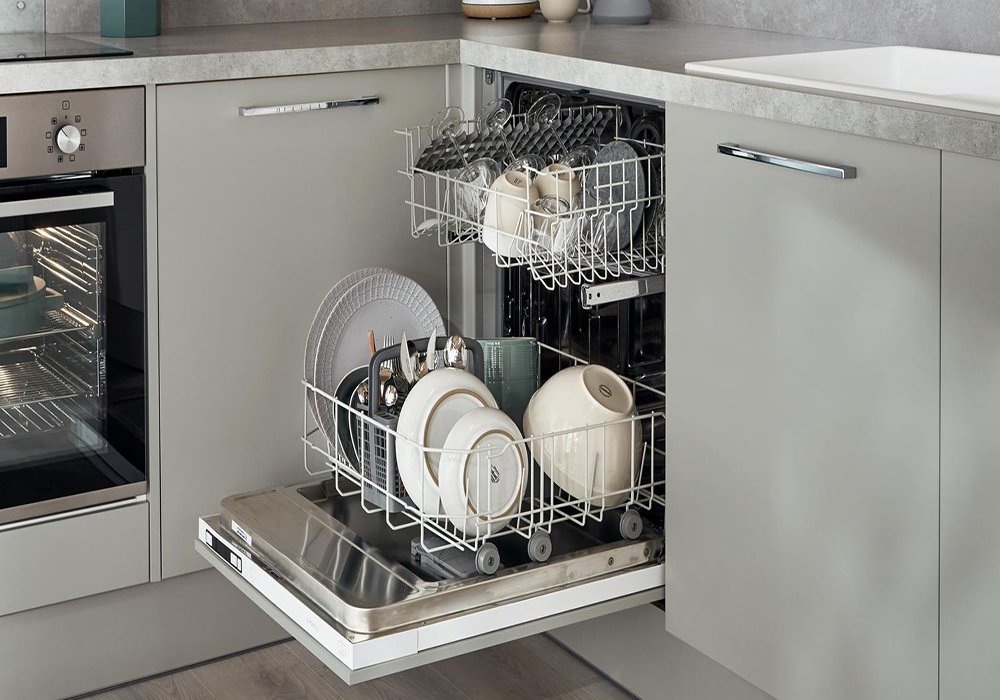
There’s something oddly disappointing about opening the dishwasher only to find glasses covered in cloudy spots.
Many homeowners immediately switch detergents or rinse aids, yet the issue often begins with the minerals already present in the water. Calcium and magnesium leave behind visible residue that can make even freshly cleaned dishes appear dirty.
When your dishwasher receives cleaner water, it generally performs more consistently. Glassware looks clearer, dishes rinse more completely, and stubborn mineral spots become far less common.
It’s a simple improvement that makes everyday kitchen cleanup noticeably more satisfying.
Small Changes Add Up Across the House
Water quality influences far more than appliances alone.
Many people notice that showers feel more comfortable, skin doesn’t dry out as quickly, and hair feels softer after washing. Kitchen sinks stay cleaner for longer, faucets develop fewer mineral stains, and even coffee develops a smoother flavor.
None of these changes feel dramatic overnight. Instead, they’re the kind of quiet improvements that slowly become your new normal.
After a while, you stop thinking about them—which is usually the sign that something is working exactly as it should.
Choosing the Right Solution Matters
There’s no universal answer because every home has different water conditions.
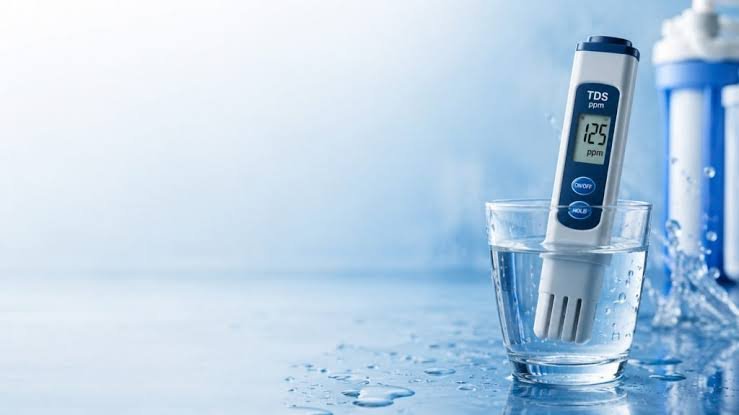
Some households mainly deal with hard water. Others experience sediment, chlorine taste, sulfur odors, or naturally occurring minerals from private wells. That’s why testing your water before buying treatment equipment is usually the smartest first step.
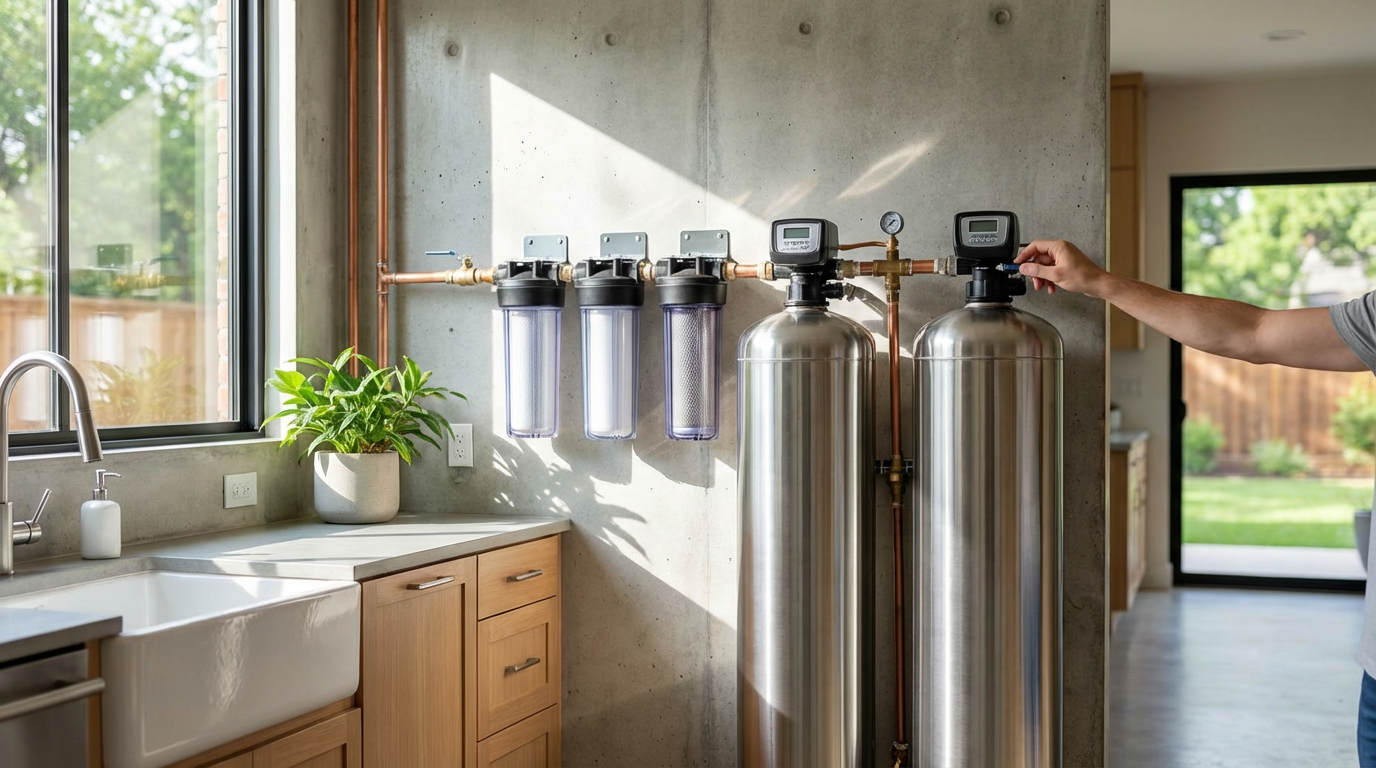
A simple filtration system may be enough for one family, while another benefits from a water softener or whole-house treatment system. The goal isn’t to buy the largest system available—it’s to solve the specific issues your home actually has.
That approach often saves both money and frustration in the long run.
Protecting Your Investment
Home appliances aren’t cheap anymore. Replacing a major household system can quickly become one of the largest unexpected expenses a family faces.
When people think about protecting their investments, they usually focus on maintenance schedules or extended warranties. Water quality deserves a place in that conversation too.
Reducing mineral buildup can help plumbing fixtures, appliances, and even household pipes experience less long-term stress. That doesn’t guarantee equipment will last forever, of course, but it certainly gives everything a better chance to perform efficiently over the years.
Sometimes prevention costs much less than repeated repairs.
Better Water Creates Better Everyday Living
The biggest advantage of cleaner water isn’t found in technical specifications or laboratory reports. It’s found in ordinary moments.
It’s enjoying a hot shower without worrying about scale buildup. It’s pouring a glass of water that tastes fresh. It’s running the laundry without wondering why clothes feel rough. It’s opening the dishwasher and seeing crystal-clear glasses instead of cloudy ones.
Those little experiences happen every single day, often without us noticing.
Improving household water isn’t about chasing perfection or following trends. It’s about making the home work a little better, protecting the appliances you rely on, and creating a more comfortable environment for everyone who lives there.
In the end, good water quietly supports almost everything else in your home. And once you experience that difference, it’s surprisingly difficult to imagine going back.