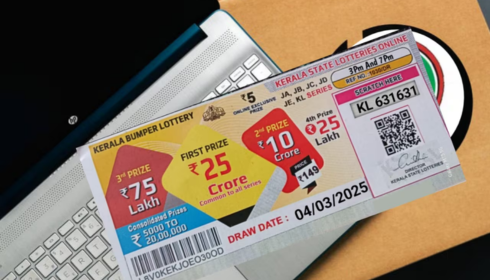
In India, the world of betting and number-based games has always had a unique cultural footprint. Among these, matka stands out as one of the most talked-about and historically rooted forms of gambling. Over time, it has evolved, adapted, and even digitized itself to stay relevant. Today, terms like Matka 420 are frequently searched online, reflecting a growing curiosity and engagement among users who want to understand how this ecosystem works.
What is Matka and How Did It Start?
Matka originated in the 1960s when people began betting on the opening and closing rates of cotton traded on the New York Cotton Exchange. Once that system stopped, local operators in India created their own number-drawing methods using pots (called “matkas”), hence the name.
Players would pick numbers, place bets, and wait for the results, which were usually declared at fixed times. What started as a small-scale activity soon grew into a widespread phenomenon, especially in cities like Mumbai.
The Evolution into the Digital Era
With the rise of the internet, matka has transformed significantly. Earlier, it relied heavily on physical presence and local bookies, but today, everything is available online. Results, charts, tips, and even betting platforms are just a click away.
This shift has also introduced new variations and terms into the ecosystem. One such trending keyword is Matka 420, often associated with platforms or services claiming to provide accurate predictions or fast results. However, users should always be cautious and verify authenticity before trusting such sources.
Why Indian Matka Still Attracts Players
Despite legal restrictions in many parts of the country, matka continues to attract players. There are several reasons behind this:
Easy to Understand
Unlike complex casino games, matka is relatively simple. Players choose numbers and wait for the outcome. This simplicity makes it accessible to a wide audience.
Low Investment, High Returns
Many people are drawn to the possibility of earning high returns with minimal investment. Even small bets can lead to significant payouts, which adds to the excitement.
Cultural Familiarity
For many, matka is not just a game but a part of local culture and tradition. It has been passed down through generations, especially in certain communities.
Risks and Legal Aspects
It’s important to understand that matka is considered illegal in most Indian states under gambling laws. Authorities regularly take action against illegal operators, and participating in such activities can have legal consequences.
Additionally, there is always a financial risk involved. Since the outcomes are unpredictable, players can lose money just as easily as they can win it. Many online platforms also lack transparency, making it difficult to trust their operations.
Tips for Staying Safe
If you’re exploring information about matka out of curiosity, here are a few things to keep in mind:
- Avoid sharing personal or financial details on unknown websites
- Be cautious of platforms promising guaranteed wins
- Understand the legal implications in your region
- Treat it as information, not a reliable income source
The Future of Matka in India
With increasing digital awareness and stricter regulations, the future of matka remains uncertain. On one hand, technology is making it more accessible; on the other, legal frameworks are tightening.
There is also a growing conversation about regulating such activities rather than banning them entirely, similar to how some countries manage gambling industries. Whether India moves in that direction is still up for debate.
Conclusion
Matka, in its various forms, continues to intrigue people across India. From its humble beginnings to its current digital presence, it has come a long way. While terms like Indian matka are trending online, it’s essential to approach the topic with awareness and caution.